
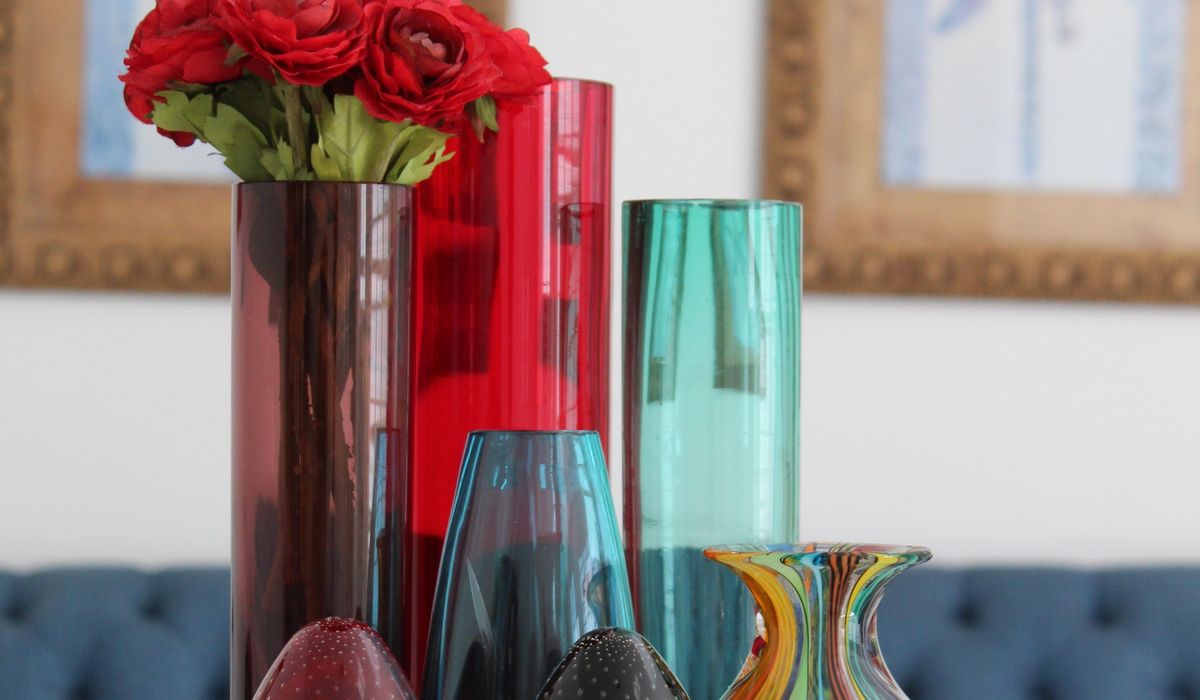
Sustainable Swaps for a More Eco-Friendly Home
Small Changes, Real Difference
Making your home more eco-friendly doesn't mean throwing out everything you own and starting again. The most sustainable home is often the one you already have, tweaked bit by bit until the habits stick. In a typical British household, the biggest wins come from reducing single-use plastic, cutting energy waste and choosing materials that last through years of damp winters and unpredictable summers. Start wherever you are, whether that's the kitchen bin or the spare room cupboard, and let each swap lead naturally to the next.
Rethink the Kitchen and Cleaning Cupboard
The kitchen is usually where waste piles up fastest, from cling film to half-empty bottles of spray cleaner. A few simple substitutions can shrink that pile considerably without making everyday life harder.
- Switch to refillable cleaning products. Concentrated refills and reusable trigger bottles mean you buy one sturdy container and top it up for years. Many refill stations now exist on high streets and in zero-waste shops, and some supermarkets offer in-store refill points for laundry detergent and washing-up liquid.
- Swap cling film for beeswax wraps or lidded glass containers. Beeswax wraps work beautifully for cheese, half a lemon or a bowl of leftovers, and they can be refreshed with a little warmth rather than replaced.
- Use cloths instead of paper towel. A stack of cotton or bamboo cloths kept in a drawer will handle spills, wipe down surfaces and polish taps, then go straight into the wash.
- Compost what you can. Even a small caddy on the counter for vegetable peelings, tea bags and coffee grounds keeps methane-producing waste out of landfill. If you have a garden, a simple compost bin turns it into free feed for your borders.
- Buy loose produce where possible and take your own bags. It's a small habit, but it adds up over a year of weekly shops.
Choose Natural Fabrics and Lasting Textiles
Textiles are a hidden source of waste. Cheap curtains, bedding and cushions often shed microplastics in the wash and lose their shape within a season or two. Choosing natural fibres is both kinder to the planet and more pleasant to live with, especially in a climate where breathability matters.
- Look for linen, wool, cotton and hemp for bedding, throws and upholstery. Linen keeps you cool in summer and warm in winter, and it softens beautifully with age.
- Wool is a natural insulator and a brilliant choice for blankets, stair runners and underlay. It's also naturally stain-resistant, which helps in busy family homes.
- Wash less and air more. Most clothes and soft furnishings don't need a full wash after every use. Hanging bedding and cushions outside on a dry day freshens them and cuts down on both energy and detergent.
- Repair before replacing. A dropped hem on a curtain or a worn patch on a cushion cover is a ten-minute job with a needle and thread, and it saves the cost and carbon of a new purchase.
- Buy second-hand where you can. Charity shops, online marketplaces and car boot sales are goldmines for solid wood furniture, wool blankets and vintage china, all of which have already absorbed their manufacturing footprint.
Trim Everyday Energy Use
Energy bills have made most of us more conscious of how we heat and light our homes, and the good news is that the habits that save money usually save carbon too. None of these require major renovation work.
- Turn the thermostat down by one degree. It's barely noticeable when you're wearing a jumper, and it can trim a meaningful slice off your annual heating bill.
- Draught-proof the obvious gaps. Letterboxes, keyholes, chimney breasts and gaps under doors are among the worst offenders in older British homes. A few rolls of draught excluder and a chimney balloon make a real difference.
- Use radiator controls wisely. Turning off radiators in rarely used rooms and fitting reflective foil behind radiators on external walls pushes heat back into the room rather than out through the brickwork.
- Switch to LED bulbs if you haven't already. They last for years and use a fraction of the energy of halogens.
- Wash at 30 degrees and run the dishwasher only when full. Modern detergents work perfectly well at lower temperatures.
- Air-dry laundry whenever the weather allows. A folding indoor rack near a radiator works well on damp days, and a dehumidifier can speed things along without the cost of a tumble dryer.
Make the Bathroom a Low-Waste Zone
The bathroom is the smallest room but often the most cluttered with plastic. Refillable shampoo and conditioner bars, solid soap and bamboo toothbrushes have all become easy to find, and they take up less space than bottles. Swap cotton buds and face wipes for reusable alternatives. A simple safety razor with replacement blades outlasts disposable razors many times over. If you're partial to a long soak, keep the water level moderate and use the cooled water from your kettle or a bucket from the shower to water plants. Even small tweaks here reduce packaging and water waste without sacrificing the comfort of a warm bath on a cold evening.
Bring the Outdoors In, Gently
Houseplants improve air quality and lift the mood, but they don't need to be a source of waste. Choose hardy varieties suited to British light levels, such as spider plants, peace lilies and pothos, and propagate cuttings to share with friends rather than buying new. Water with saved rainwater from a butt if you have one, and use a simple houseplant feed made from diluted compost tea. Terracotta and ceramic pots last decades and look lovely grouped on a windowsill, far better than a collection of cracked plastic trays. Pair this with a few seasonal touches, such as a bowl of dried oranges in winter or a jug of garden flowers in summer, and your home feels cared for without any of it costing the earth.
Making It Stick
Sustainable living at home is less about perfection and more about steady, sensible habits that fit real British life. Pick two or three swaps from this list that feel achievable this month, and let the rest follow naturally. A refilled spray bottle, a wool throw and a draught excluder might not sound revolutionary, but together they build a home that's warmer, calmer and kinder to the world outside the front door.
tag: Sustainability

James Holloway Author
Use mirrored furniture, vertical storage and a calm colour scheme to maximise space. These tricks work well in compact urban flats.
YOU MAY ALSO LIKE
How to Make a Small Bedroom Feel Larger
Aug 18
10Create an outdoor space that thrives with little effort. Choose hardy plants, gravel borders and automated watering for relaxed weekends.
read more
Building a Low-Maintenance Garden for Busy People
Aug 14
10Give charity shop finds a new lease of life. Learn how to clean, paint and seal wooden furniture for a durable finish.
read moreInteriors
-

ERRIC CATONA
Linen bedding, wool throws and wooden furniture can promote rest. Discover earthy textures that make sleeping spaces feel grounded.
May 19, 2016 at 5.12 pm
Reply
ERRIC CATONA
Protect walls from water damage with a neat tiled splashback. Learn about adhesive, spacers and sealing edges for a professional result.
May 19, 2016 at 5.12 pm
Reply -
ERRIC CATONA
Dark corridors can feel brighter with the right tones. Explore warm neutrals, reflective finishes and strategic lighting to lift the space.
May 19, 2016 at 5.12 pm
Reply
Renovation
Your email address will not be published.