
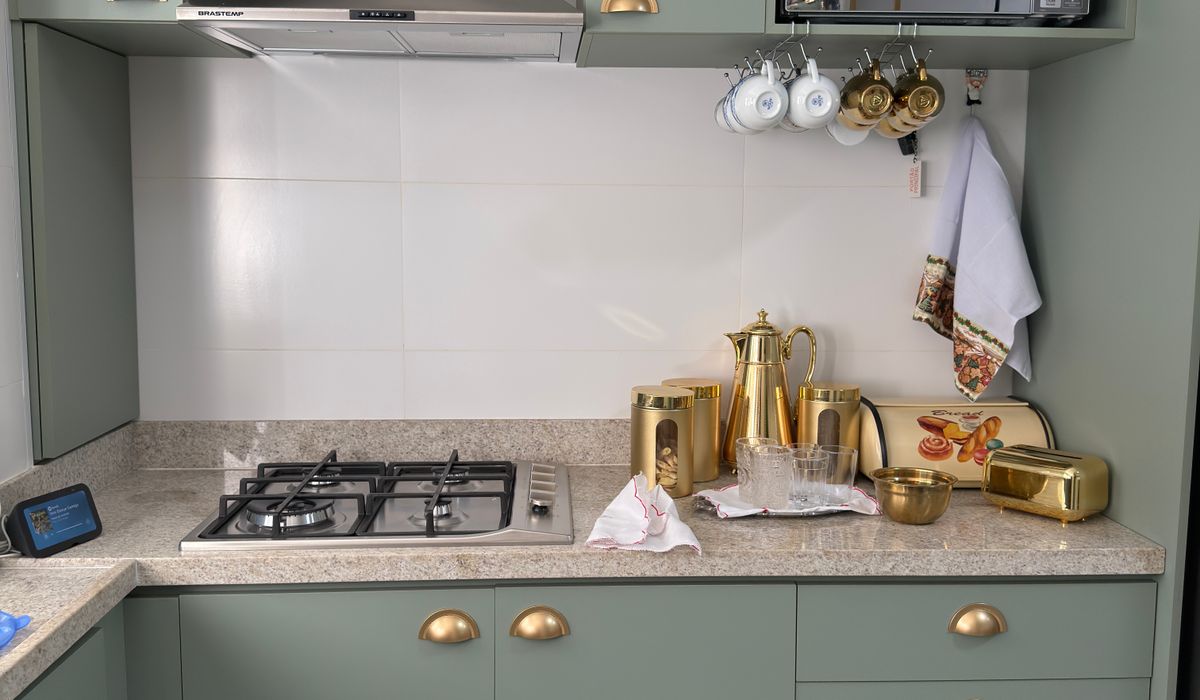
Designing a Functional Utility Room for Families
Start with an Honest Look at How You Use the Space
Most utility rooms are asked to do far too much. They wash, dry and fold, store the vacuum, house the dog towels, hold the mop bucket, and somehow still need to let you walk through with a basket in each hand. Before you choose a single tile, spend a week noticing what actually happens in there. Where does the laundry pile land? Does anyone drip through with muddy boots? Is there a moment when two people need the room at once?
Measure carefully, and be realistic about the footprint. A room of 2.5m by 1.8m is generous for a family; a galley of 2.5m by 1.2m is workable if you use the walls properly. Remember that a standard washing machine or tumble dryer needs a 600mm wide slot with ventilation behind, and you will want at least 900mm of clear floor in front of appliances for loading and unloading. If you are juggling a boiler, a fuse box or a stopcock, note them now — they will shape everything else.
Zone the Room So It Works Harder
Treat the utility room like a small kitchen and divide it into bands of activity. A simple three-zone layout solves most family chaos:
- Wet and washing zone: washer, dryer, sink if you have space, and the surfaces where damp things land. Keep this closest to the drain and water supply to save on pipework.
- Drying and airing zone: a ceiling-mounted airer, a wall rail, or a pull-down rack above the worktop. Warm air rises, so anything drying high up finishes faster.
- Dirty zone: boots, coats, sports kits, pet gear and the bin. Ideally this sits between the back door and the rest of the house, so muck stops before it travels indoors.
If the room is a thoroughfare, keep one clear walking route at least 800mm wide. Nobody keeps a room tidy when they have to side-step a basket every time they pass through.
Floors and Worktops That Take a Beating
Forget anything delicate. This is a room where wet washing lands, detergent spills, and shoes stomp. Porcelain or ceramic floor tiles are hard-wearing, water-resistant and easy to mop; choose a matt, slightly textured finish rather than a polished one, which turns treacherous when wet. Luxury vinyl tile is warmer underfoot and more forgiving if something heavy drops. Quarry tiles and sealed concrete both look excellent and shrug off abuse, though concrete needs resealing every few years.
Avoid laminate and solid wood unless you are genuinely diligent about spills — both swell and stain. If you want the look of wood, go for a wood-effect LVT with a good wear layer.
For worktops, choose something you can scrub without wincing. Laminate is affordable and forgiving; solid surfacing can be sanded back if it scratches. Fit a worktop above your appliances at roughly 900mm from the floor and you gain a folding surface that disguises the machines and gives you somewhere to sort socks. Add a lip or upstand at the back to stop drips running down the wall.
Open Shelving, Baskets and Clever Hanging Space
Closed cupboards look neat but hide a multitude of sins, and in a utility room they quickly become the place where odd socks go to die. Open shelving keeps you honest. Fit two or three sturdy shelves at 300–350mm deep, spaced to take a folded towel stack or a row of spray bottles, and use lidded baskets to corral the small stuff.
Labelling matters more than you think. A basket each for whites, coloureds, delicates and "school uniform" removes a daily argument. Wire or wicker baskets let air circulate, which discourages that damp, mildewy smell. Consider a slim pull-out rack for cleaning cloths and a magnetic strip on the wall for scissors, tape and the lint roller.
Hanging space is the secret weapon. A rail at 1.7m with a handful of good hooks holds school bags, dog leads and damp coats. A retractable line across the ceiling costs very little and dries a full load overnight when the heating is on. If you iron at all, a wall-mounted fold-down board takes up almost nothing when stowed.
Lighting, Ventilation and the Daily Routine
Utility rooms are often the darkest, stuffiest corner of the house, which is exactly what you do not want in a room full of damp fabric. Fit a good extractor fan and run it for at least twenty minutes after using the dryer. If condensation is a persistent problem, a small dehumidifier is worth its shelf space; it also speeds up air-drying dramatically in winter.
For lighting, layer it. A bright ceiling light for general work, then a strip under the shelf above the worktop so you can actually see stains and read the dials. Put sockets above the worktop rather than behind appliances — at least four, and make sure the ones near the sink are suitably protected. A single socket on the landing side is handy for charging the vacuum.
Small Comforts That Keep It Tidy
A utility room does not have to feel like a punishment. A washable runner in a warm colour softens a tiled floor and catches grit. A little plant that tolerates humidity, such as a spider plant, lifts the whole space. Keep a pretty jar for pegs and a small tray for loose change and receipts found in pockets.
Finally, build tidiness into the routine rather than fighting it: empty the dryer straight into a basket, wipe the worktop while the sink fills, and take the full basket upstairs rather than letting it breed a second one. Ten minutes a day keeps a hardworking room genuinely pleasant — and that, more than any clever storage, is what makes a family utility room work.
tag: Renovation

Gareth Bowen Author
Measure your space carefully before buying. Consider corner sofas, footstools and removable covers for small rooms with high traffic.
YOU MAY ALSO LIKE
Choosing a Sofa for a Compact Living Room
Jul 11
10Fill your home with seasonal blooms from a small patch. Learn easy annuals, planting times and picking techniques for long-lasting displays.
read more
A Beginner's Guide to Growing Cut Flowers
Jul 8
10Condensation can lead to damp and mould. Improve ventilation, use extractor fans and manage indoor moisture to protect your property.
read moreInteriors
-

ERRIC CATONA
When the fire is unlit, style the hearth with candles, plants and artwork. Swap heavy winter accessories for lighter, fresh touches.
May 19, 2016 at 5.12 pm
Reply
ERRIC CATONA
North-facing rooms need careful colour choices. Learn which teal shades add warmth without making the space feel cold or gloomy.
May 19, 2016 at 5.12 pm
Reply -
ERRIC CATONA
Bring original character back to your home with simple tools and patient cleaning. This guide covers tiles, cast iron and safe paint removal.
May 19, 2016 at 5.12 pm
Reply
Renovation
Your email address will not be published.